
Some of our links are affiliated, we will earn a commission when you buy a service or product. This will have no extra cost for you. For further info please refer to our Privacy Policy
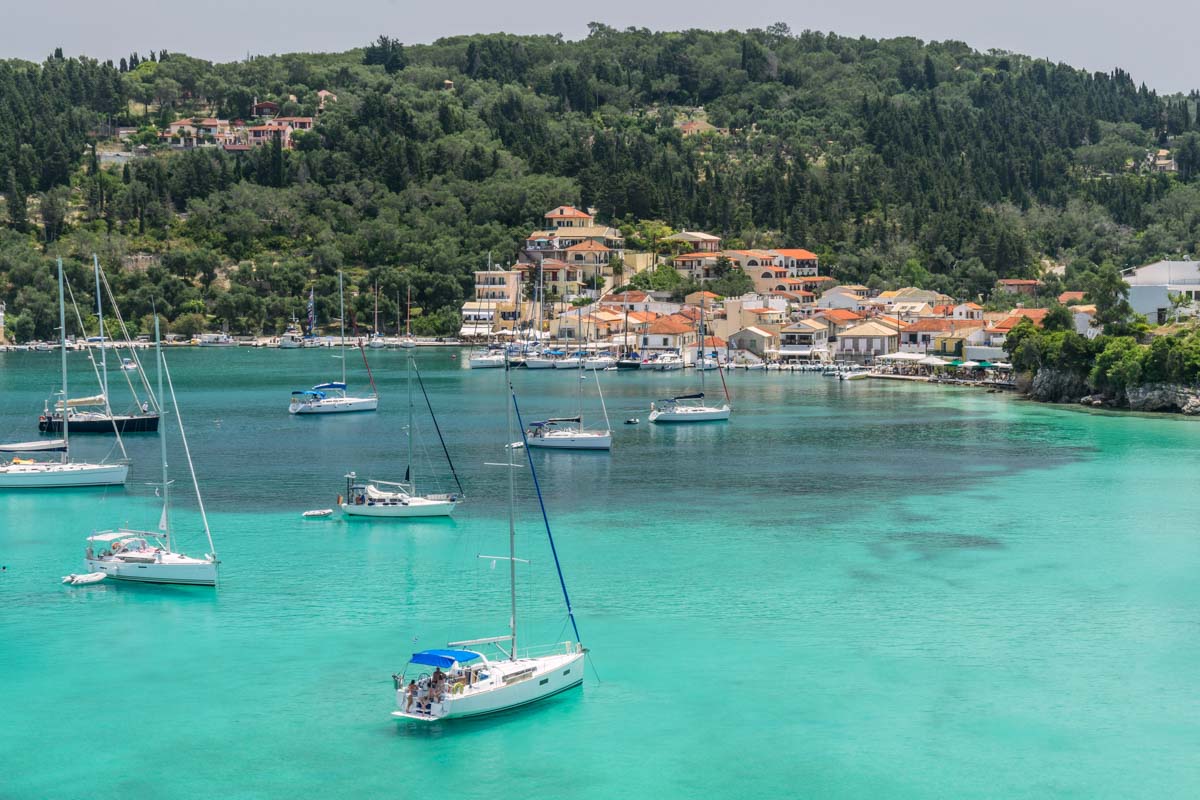
Greece regularly ranks among the most-visited countries in Europe, totalling over 130 million visitor nights in 2025. The most popular areas, like honeymoon hotspot Santorini and party island Mykonos, are known for drawing crowds. But beyond these well-known beach destinations, another side of the country awaits. Dare to explore beyond the obvious, and you can find a peaceful and perhaps more meaningful experience in hidden corners of the Greek coast.
- Why choose Greece?
There’s a reason people return to Greece year after year. In fact, there are several.
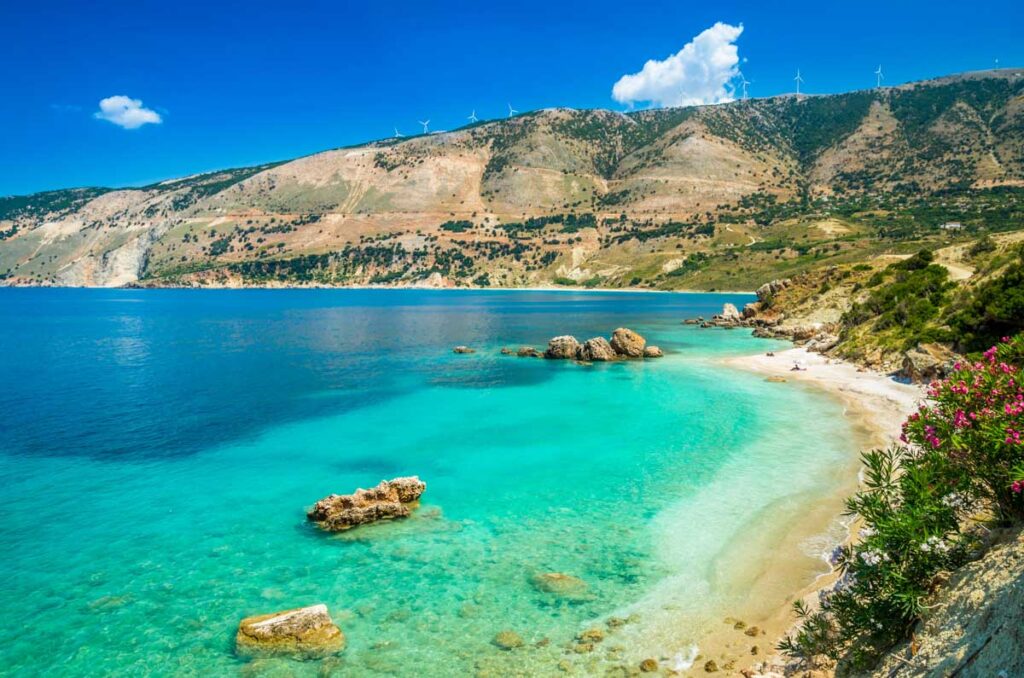
It has the longest coastline in the Mediterranean Basin and meets the Mediterranean Sea to the south, the Ionian Sea to the west, and the Aegean Sea to the east through its thousands of islands. Expect countless beaches, lapped by crystal-clear shallows and bold blue waves and backed by tavernas where you’re invited to slow down.
On top of this, you’ve got rich ancient heritage, explorable through extraordinary UNESCO sites like the Acropolis of Athens, and a vibrant modern-day culture grounded in hospitality, celebration and mouthwatering cuisine. Inland, lush countryside waits to be explored on foot or by bike. And the weather? Glorious from spring to autumn. What more could you ask for?
- Why seek out hidden corners?
Popular destinations earn their reputation for a reason, but quieter locations often offer a more rewarding experience, especially if you’re travelling in the peak summer months when visitor numbers swell. When you step away from the crowds, you gain the space to enjoy surroundings in detail. You also create opportunities to discover untouched beaches and unknown viewpoints that don’t make an appearance in guidebooks.
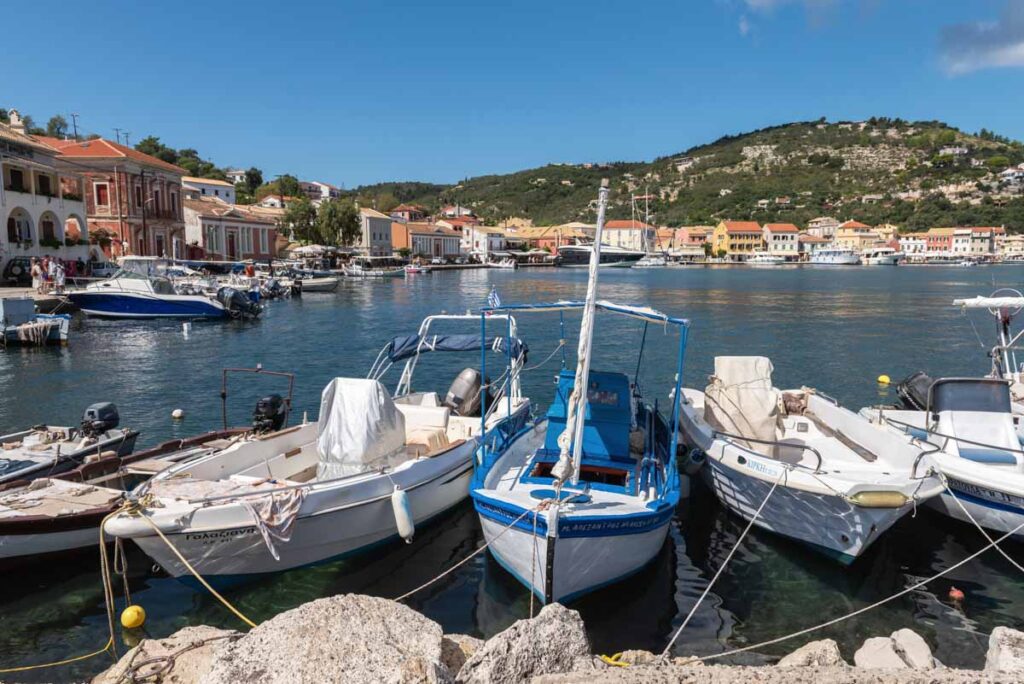
Hidden corners often reveal a stronger connection to local life. In smaller coastal communities, fishermen still mend nets beside the harbour, and family-run tavernas shape their menus around the morning catch. Conversations feel less hurried, and you gain a better sense of everyday Greek culture.
Many travellers also appreciate the freedom that comes with staying in villas in the Greek islands away from tourist centres with their often-overcrowded hotels. A hillside property overlooking a secluded bay ensures peace and privacy and the freedom to live at your own pace in authentic Greek style.
- How to find quiet spots
Research should start before you travel. Browse online to identify which Greek islands and coastal regions are lesser-visited and choose your destination from this curated list. Smaller islands such as Paxos, Folegandros, or Halki often receive far fewer visitors. Look beyond social media recommendations and explore regional tourism websites to find little-known and well-loved places to stay. These sites will also have useful local information like ferry maps.
Once you arrive, ask residents for recommendations of where to go during your stay. A hotel owner might suggest a beach hidden around the next headland, while a taverna owner may know the best coastal path for sunset views.
Travelling in late spring or early autumn can make a significant difference. You still enjoy warm weather, but you’ll escape the hordes of summer tourists. Even well-known beaches and restaurants will be quieter, and generally you can enjoy a more relaxed atmosphere.
Finding different ways to explore will help you stumble upon your own discoveries. Hire a car to travel out to places unreachable by public transport or coach tours, or take a boat and sail to bays only accessible by water.
- Enjoying the coastline
Finding different ways to enjoy the coastline will reveal the many layers of Greece’s hidden coastal gems. Watersports are an obvious and immensely enjoyable option. Snorkel close to shore, go sailing, glide between quiet coves in a kayak or on a paddleboard, or choose an adrenaline-inducing activity like jet-skiing.
Coastal walks offer another rewarding way to experience the landscape. On islands such as Kefalonia or Andros, footpaths connect villages and beaches with spectacular viewpoints, rewarding exercise with unforgettable scenery.
Feeling romantic? Plan private picnics and al fresco evening meals, or head to the beach at night and lie beneath the stars.
- Enhancing your experience
Careful planning helps you make the most of Greece’s quieter coastal locations. Even in off-the-beaten-track locations, booking flights, accommodation and ferry tickets in advance gives you more choice, especially during school holidays.
Timing matters too. Early mornings often bring calm seas and peaceful beaches, while late afternoons can offer softer light and cooler temperatures for walking.
Leave room for flexibility in your itinerary. Some of the best coastal discoveries happen when you follow a recommendation from a resident or decide to stop at an unexpected village along the way.
Choose trusted providers for accommodation, transport and excursions to avoid unnecessary stress. With the practical details taken care of, you’ll have more time to enjoy what makes Greece so special: the simple pleasure of discovering a beautiful corner of the coast and feeling like you’ve found it for yourself.