
Some of our links are affiliated, we will earn a commission when you buy a service or product. This will have no extra cost for you. For further info please refer to our Privacy Policy
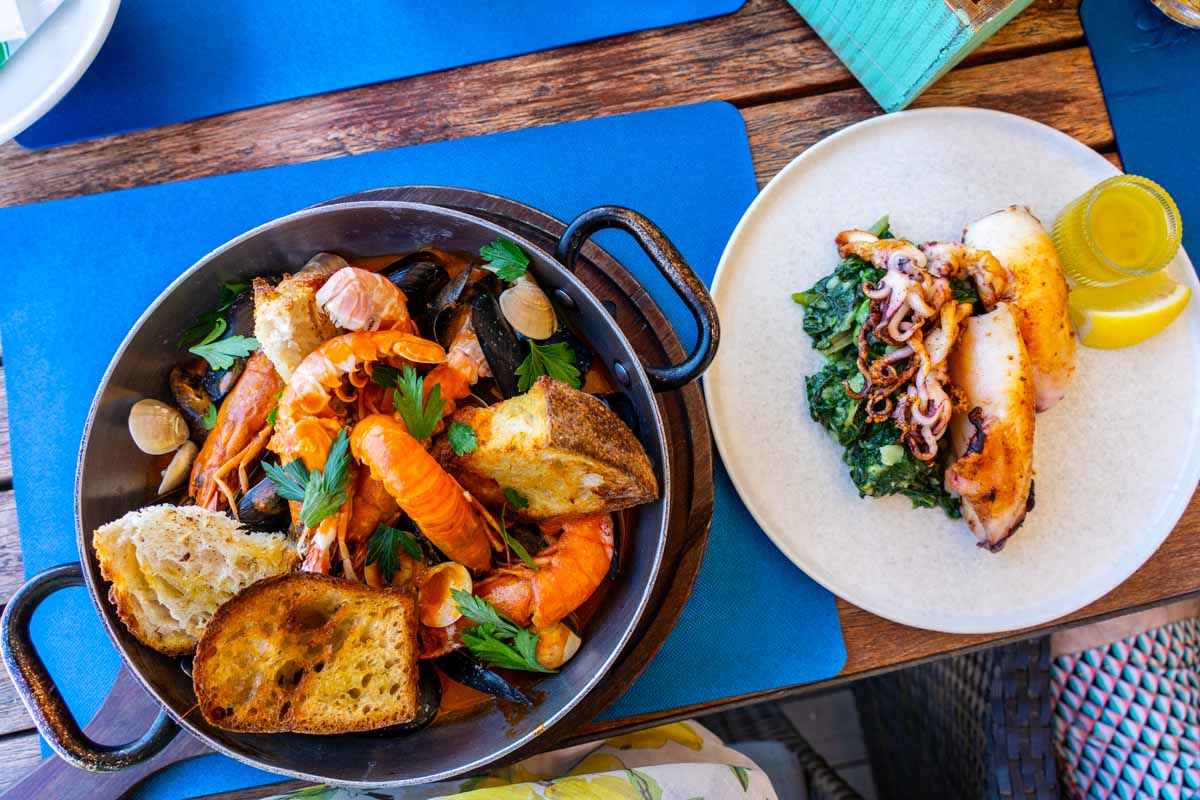
Croatian food can change the way you think about familiar ingredients. Along the Adriatic coast, cooks let fresh fish, olive oil, herbs, and seasonal vegetables speak for themselves, while inland traditions draw on hearty stews, smoked meats, and homemade pasta. You don’t need to master complicated techniques to appreciate the difference. Instead, you can start with one ingredient, one dish, or one cooking habit and see how it changes your everyday meals. As you explore these flavors, you also begin to understand how Croatia’s landscapes, climate, and local traditions shape what people put on their plates.
The Role of Local Ingredients in Croatian Cuisine
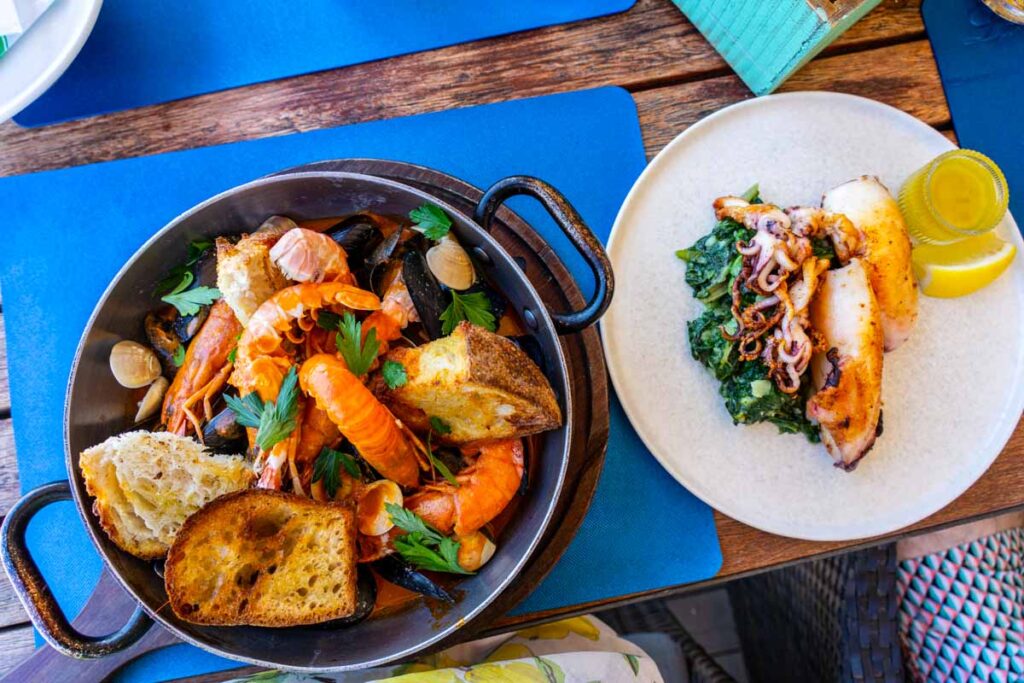
Local produce gives Croatian cooking its sense of place. Along the coast, you’ll often find seafood paired with garlic, parsley, lemon, and good olive oil. Inland, dishes tend to make greater use of potatoes, beans, cabbage, pork, and freshwater fish. The contrast shows you how geography can influence cooking without requiring elaborate recipes. Olive oil offers a useful starting point. Croatian cooks often use it to dress grilled vegetables or fish rather than hiding the ingredients beneath heavy sauces. Try finishing roasted zucchini with a drizzle of good olive oil, chopped parsley, and a little lemon. You’ll notice how a few carefully chosen ingredients can create a dish with much more character.
Ingredients That Will Change Your Culinary Perspective
Some Croatian ingredients can encourage you to rethink how you cook. Paški sir, a sheep’s cheese from Pag, develops a firm texture and savory flavor that works well grated over pasta or served with fruit. Istrian truffles can turn a simple plate of scrambled eggs or pasta into something more aromatic without requiring complicated preparation. You can also explore ajvar, a roasted red pepper spread popular across the Balkans, and use it with grilled chicken, sandwiches, or roasted potatoes. If you’re planning tours to Croatia that include food markets and local restaurants, tasting these ingredients where producers make and serve them can help you understand their flavors more clearly.
Bringing Croatian Flavors Home
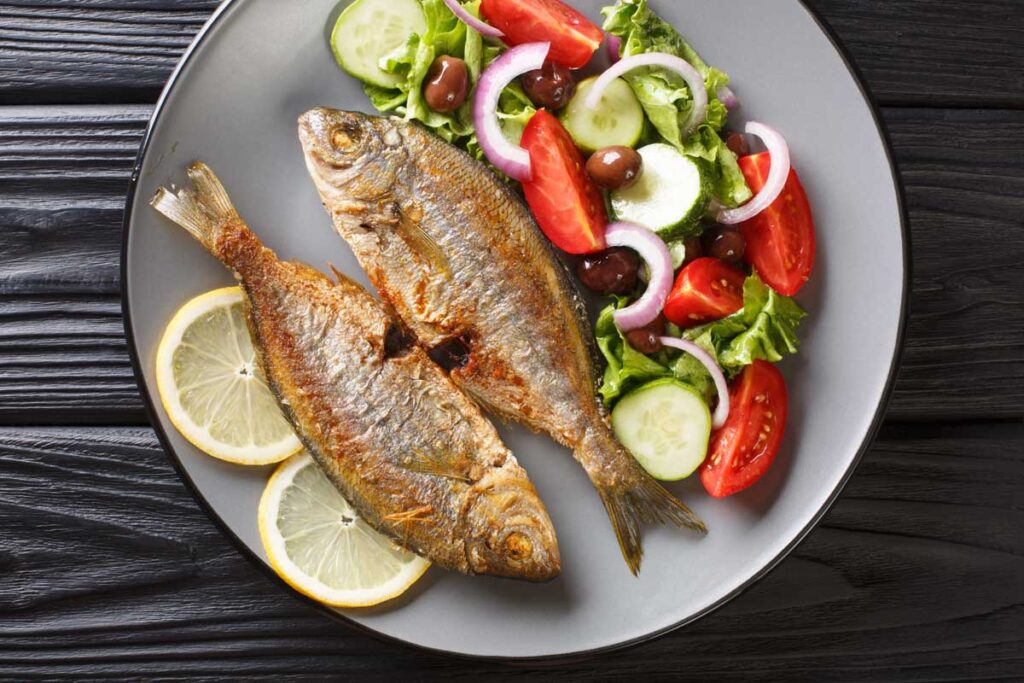
You can recreate the spirit of Croatian cooking without trying to copy an entire regional menu. Start with a simple fish supper: grill a fillet, dress it with olive oil, garlic, parsley, and lemon, then serve it alongside potatoes or seasonal vegetables. This approach lets you taste each ingredient rather than overwhelming the dish with seasoning. For a more substantial meal, make a bean or vegetable stew and add smoked paprika, bay leaves, and fresh herbs. Cook it slowly so the vegetables soften and the flavors develop. Once you become comfortable with these combinations, you can adapt them to ingredients that you already buy regularly.
Expand Your Culinary World Travelling
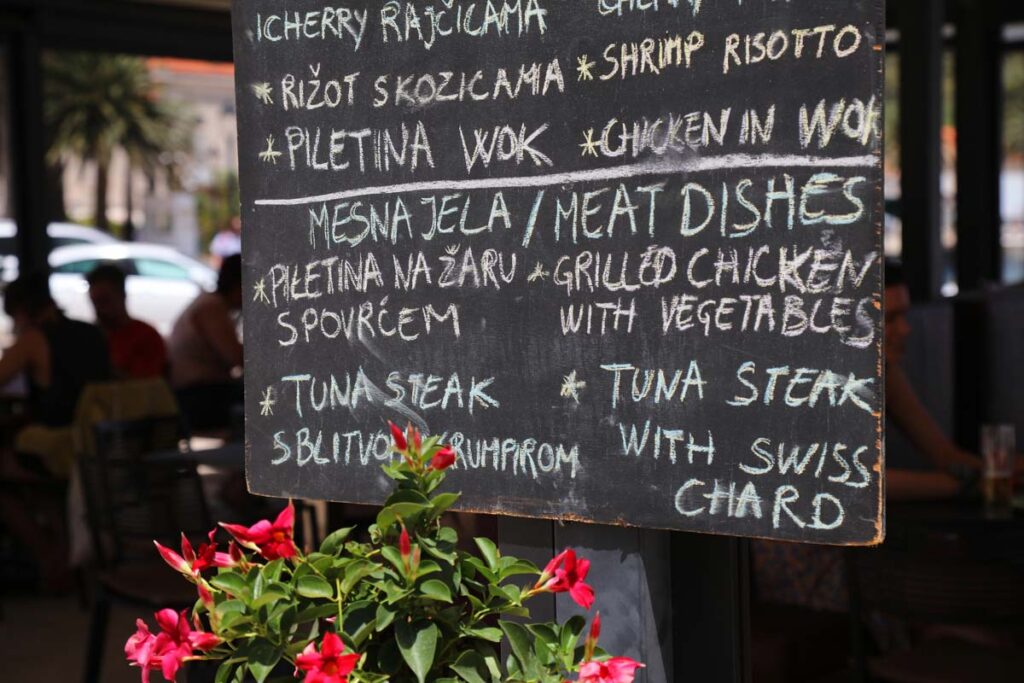
Travel gives you the chance to experience Croatian food in the setting that shaped it. At a coastal market, you can see the fish available that morning and notice which vegetables local sellers consider seasonal. In a family-run restaurant, you may discover that a dish you know from a cookbook, it tastes quite different when a local cook prepares it from ingredients sourced nearby. Make a habit of asking what grows locally and which dishes people eat at home. Then take those ideas back to your own kitchen. You’ll return with more than recipes: you’ll have a better understanding of how place, season, and tradition can influence the way you cook.