Some of our links are affiliated, we will earn a commission when you buy a service or product. This will have no extra cost for you. For further info please refer to our Privacy Policy
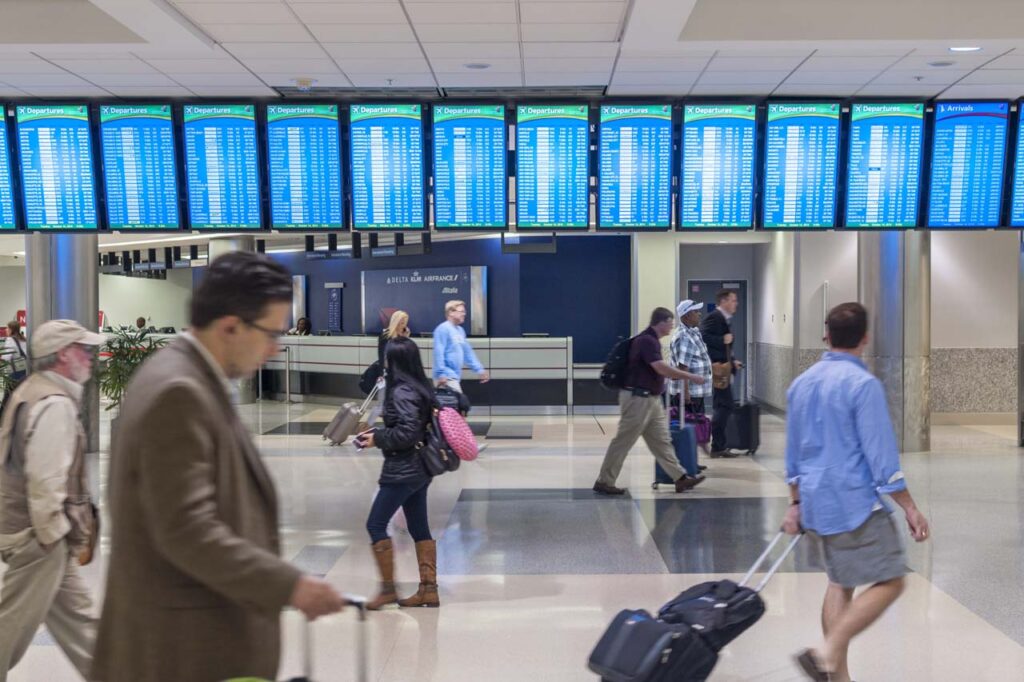
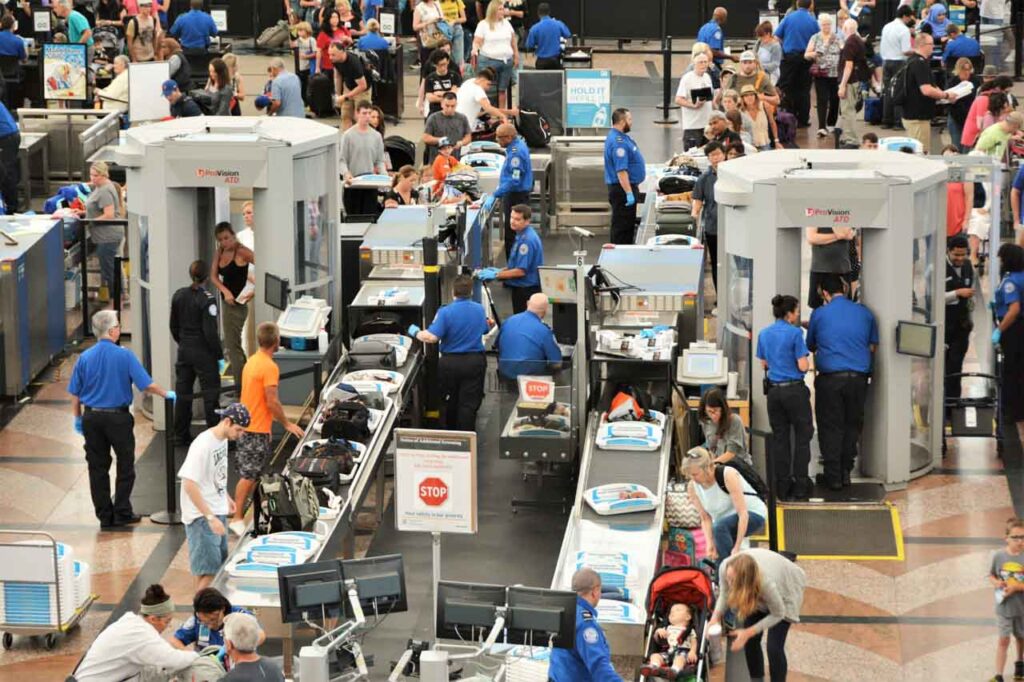
Airport security is one of those travel steps that can shape the whole mood of a trip. When the line is moving, your bag is organized, and your documents are easy to reach, the airport feels manageable.
When you are unsure what to remove, where to stand, or why your boarding pass does not show the right status, even a short flight can feel stressful. That is why many U.S. travelers look into TSA PreCheck before they start flying more often.
For first-time travelers, the goal is not just to “get through faster.” It is to understand how airport screening works, what habits actually save time, and how to avoid the common little mistakes that slow people down. Whether you are leaving for a weekend city break, a long-haul vacation, or your first international trip, a smoother airport routine starts before you reach the terminal.
Start With the Type of Traveler You Are
Not every traveler needs the same airport strategy. Someone who flies once every few years may only need a better packing system and an earlier arrival time. A traveler who flies several times a year, especially from busy U.S. airports, may benefit more from an expedited screening program.
The key is to think honestly about your travel pattern. Do you usually fly from large airports during school holidays or peak morning hours? Do you travel with a laptop, camera gear, family members, or carry-on-only bags? Are you the kind of person who gets nervous at checkpoints? If the answer is yes, preparing for security in advance can make a real difference.
Travel publications often explain TSA PreCheck as part of a wider airport routine, not as a magic shortcut. The Points Guy’s guide to getting through TSA security lines smoothly highlights practical habits like preparing bags well, checking airport information, and understanding what the expedited lane does and does not change.
Know What TSA PreCheck Changes at the Airport
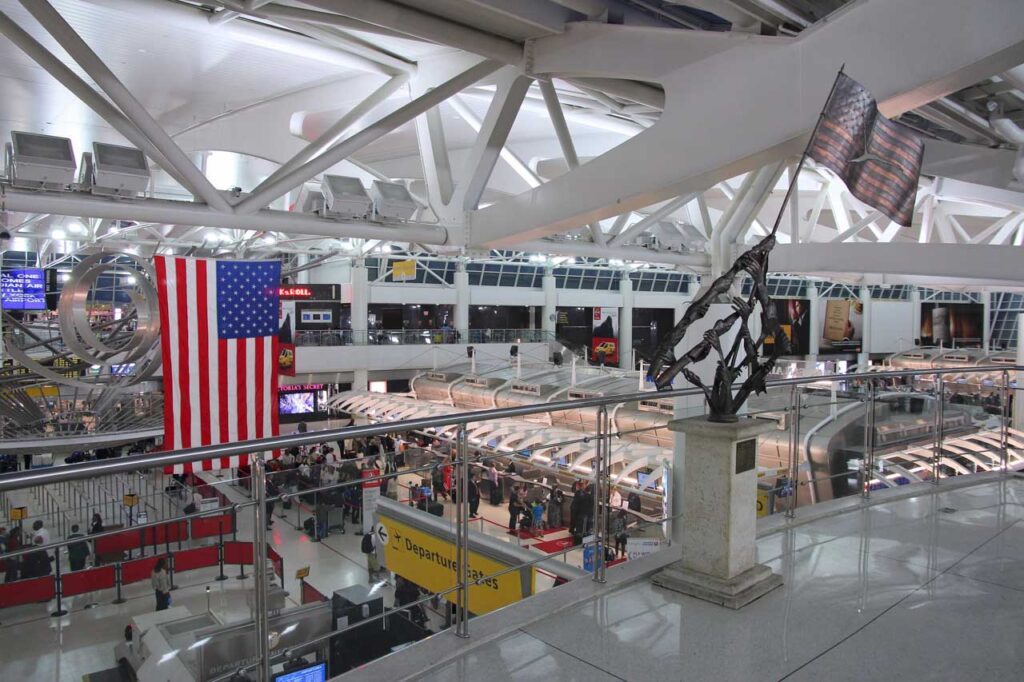
TSA PreCheck is designed for eligible, pre-screened travelers departing from participating U.S. airports. When it appears on your boarding pass, you may be directed to a dedicated screening lane where the process is generally simpler than standard security.
In many cases, travelers using the lane do not have to remove shoes, belts, light jackets, laptops, or travel-size liquids from their bags. That can be especially helpful if you are carrying electronics, traveling with a tight connection, or simply trying to avoid repacking your bag in a crowded bin area.
Still, it is important to understand that airport security can vary by airport, staffing, equipment, and travel volume. You should not arrive late just because you expect an easier line. Think of expedited screening as a helpful buffer, not permission to rush.
Add Your Known Traveler Number Carefully
One of the most common frustrations happens before the traveler even reaches the airport: the TSA PreCheck indicator does not appear on the boarding pass.
This can happen when a Known Traveler Number is missing from the reservation, entered incorrectly, or not saved in the airline profile. It may also happen if the name on the booking does not match the traveler information connected to the number. Small differences, such as a missing middle name or reversed surname, can sometimes create issues.
Before every trip, check your airline reservation and profile. Confirm that your name, date of birth, and traveler number are correct. Then check your boarding pass after online check-in. If the TSA PreCheck marking is missing, contact the airline before arriving at the airport when possible.
Pack Like Someone Who Respects the Line
Even with expedited screening, your packing habits matter. A messy carry-on can still create delays if an item needs extra inspection. The best airport bags are not necessarily the smallest; they are the easiest to understand.
Place electronics, chargers, medication, documents, and liquids in predictable locations. Avoid stuffing loose items into random outer pockets. Keep snacks, powders, and dense objects grouped neatly so they do not look confusing during screening.
AFAR’s article on how to get through airport security quickly makes the same broader point: smoother screening is often about preparation, not just the lane you choose.
Keep Your Personal Item Simple
Your personal item should hold the things you need before boarding: ID, wallet, phone, charger, medication, glasses, headphones, and any printed travel details. Avoid treating it like a junk drawer. If you have to search through receipts, tangled cables, and loose coins at the checkpoint, you will feel rushed.
Empty Pockets Before the Line
Do this before you reach the bins. Put coins, keys, watch, wallet, and other small metal items into your bag. This lowers the chance of forgetting something in a tray and helps you move with less stress.
Dress for the Checkpoint
Comfortable airport clothing helps. Avoid complicated shoes, heavy jewelry, and layered accessories if you do not need them. Even if you expect to use an expedited lane, security officers may still ask for additional screening in some situations.
Compare Airport Programs Before You Commit
Travelers often hear about TSA PreCheck, Global Entry, and CLEAR in the same conversation. They are not identical. TSA PreCheck focuses on the security screening process for departures. Global Entry is more relevant for travelers returning to the U.S. from abroad. CLEAR is a private identity verification service used at select airports and venues.
For travelers who mostly fly within the United States, TSA PreCheck may be the most relevant starting point. For frequent international travelers, comparing programs can be worthwhile before paying any fee. NerdWallet’s comparison of TSA PreCheck vs. Global Entry is useful for understanding the difference from a traveler’s planning perspective.
The right choice depends on your habits. A digital nomad, a family visiting relatives abroad, a business traveler, and a once-a-year vacationer may all make different decisions.
Think Beyond the Security Lane
A smooth airport day is not only about security. It starts with how you plan your route to the airport, how you organize your devices, and how you handle downtime. Love and Road’s guide to traveling with a tablet on a plane is a good reminder that electronics can be useful for maps, bookings, entertainment, work, and travel research, but they should be packed with security and accessibility in mind.
If you travel with multiple devices, keep chargers and power banks together. Download boarding passes, hotel details, maps, and entertainment before leaving home. Airport Wi-Fi can be slow, and roaming may not work immediately when traveling internationally.
Give Yourself a Calm Margin
Even experienced travelers can run into surprises: traffic, parking delays, long bag-drop lines, terminal changes, weather disruptions, or extra screening. First-time travelers should build in more time than they think they need.
Arriving early does not mean wasting time. It means you can check signs, use the restroom, refill a water bottle after security, buy snacks, and find the gate without feeling like every minute is a crisis. A calm traveler makes better decisions, notices instructions faster, and is less likely to misplace important items.